Lesson 1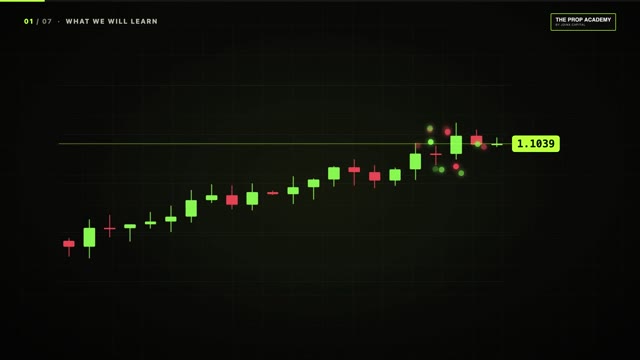 1:55
1:55
1:55What Trading Is — and How Markets Move
Meet buyers, sellers, exchanges and brokers, and learn why price moves when supply and demand change.


The Prop Academy
Follow a practical learning path from market basics to planning, executing, and reviewing your first complete simulated trade.
Earn 10 XP for completing each video and 20 XP for passing its quiz. Progress made before signup is credited when you join.
Video library
Watch each video, then answer three short questions correctly to unlock the next lesson.
Your free access includes lessons 1–3 and their quizzes. Choose a paid package to unlock lessons 4–12.
1:55Meet buyers, sellers, exchanges and brokers, and learn why price moves when supply and demand change.
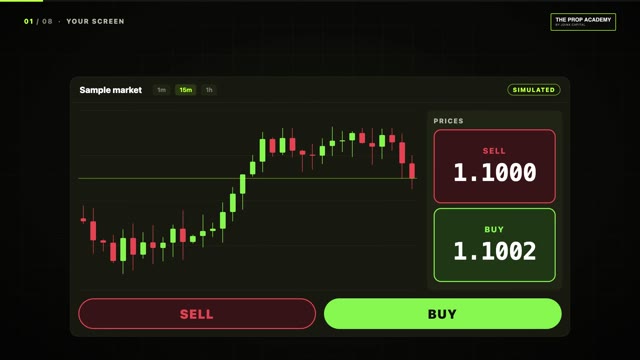
Understand bid, ask, spread, market and limit orders before placing your first simulated trade.
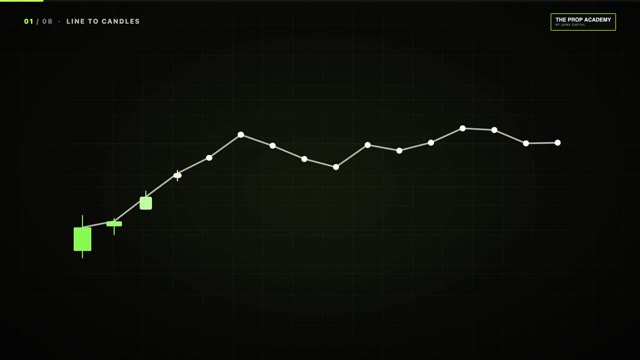
Read open, high, low and close, then use candle sequences to describe what price actually did.
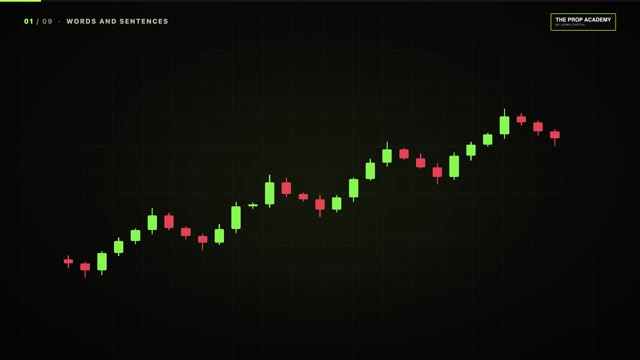
Identify swing highs and lows, distinguish a trend from a range, and recognise when structure changes.
Unlock with a paid package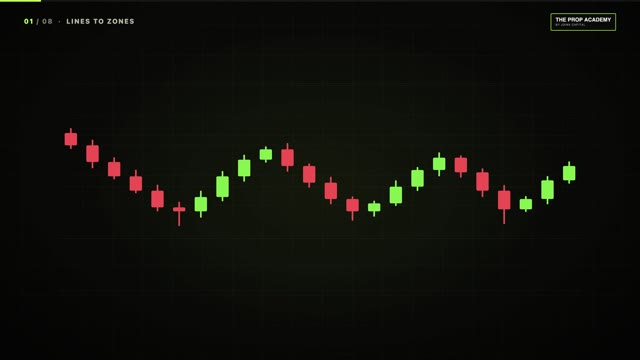
Mark useful decision areas, avoid false precision, and see how price reacts when a level is tested.
Unlock with a paid package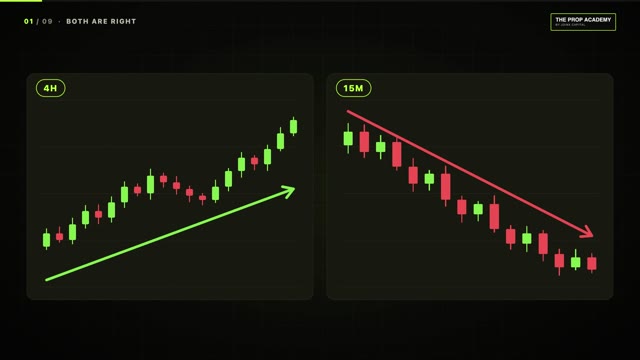
Use a higher timeframe for context and a lower timeframe for timing without mixing conflicting signals.
Unlock with a paid package
Learn fixed risk, drawdown and position sizing so one bad idea never decides the whole challenge.
Unlock with a paid package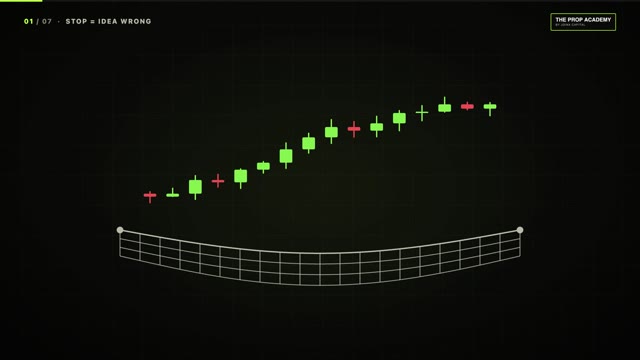
Place logical invalidation points, set realistic targets, and compare trades using R-multiples.
Unlock with a paid package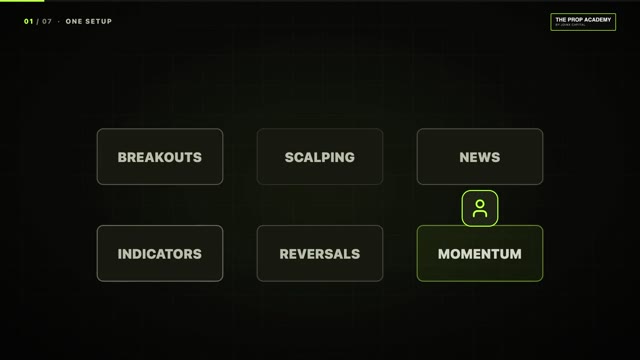
Combine structure, a key zone and a clear trigger into one simple setup you can practise consistently.
Unlock with a paid package
Define the setup, entry, stop, target, size and no-trade conditions before you click a button.
Unlock with a paid package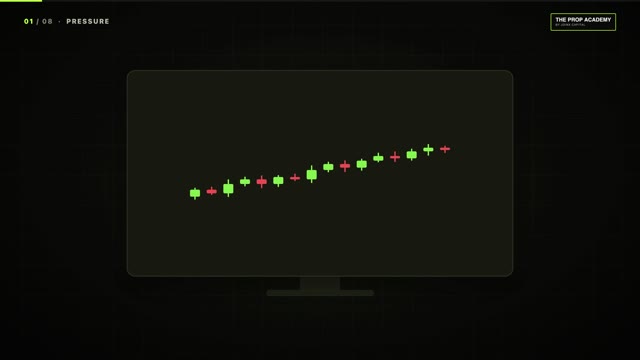
Handle fear, FOMO, losses and overtrading by following a process instead of chasing an outcome.
Unlock with a paid package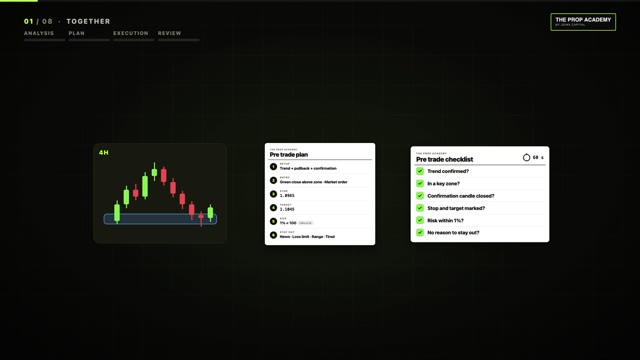
Walk through a simulated trade from analysis to journal entry, then turn the result into one improvement.
Unlock with a paid package